DinoFrontier
About Pterodactylus
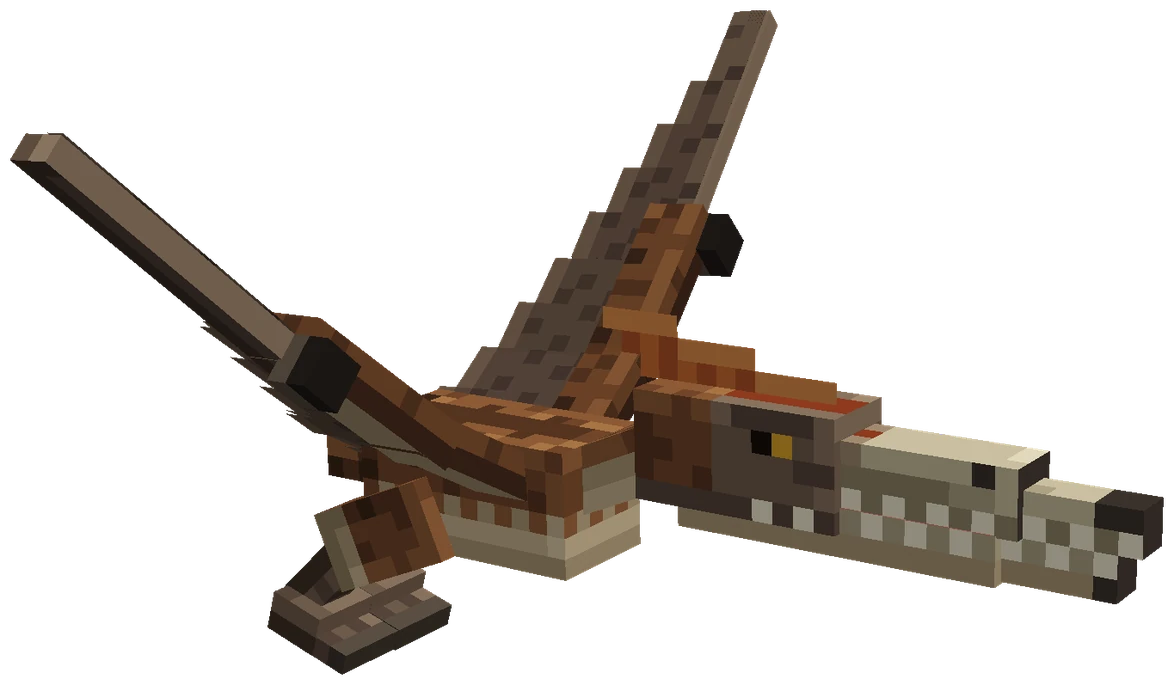
Pterodactylus was a small pterosaur that lived around the warm lagoons and islands of what is now southern Germany, about 150 million years ago. It is famous as the very first pterosaur to be named, and it gave its name to the whole group of short-tailed pterosaurs, the Pterodactyloidea.
It had a long, low skull and a long neck, with around ninety small, cone-shaped teeth in the front of its jaws, well suited to snapping up small fish and other prey. Unlike earlier pterosaurs such as Dimorphodon, its tail was reduced to a short stub.
The fine-grained Solnhofen limestone preserves remarkable detail, and some Pterodactylus fossils show soft tissue, including wing membranes and a low crest of skin on the head.
Pterodactylus facts
- "Pterodactyl" is often used for all pterosaurs, but Pterodactylus is just one genus.
- Many Pterodactylus fossils are juveniles, so the animal was once split into several species that turned out to be growth stages.
- Larger individuals had a soft crest of skin along the skull and a small backward-pointing flap behind it.
- It lived alongside Archaeopteryx and Compsognathus in the Solnhofen archipelago.
Discovery
The first specimen was found in the Solnhofen limestone of Bavaria and described by Cosimo Alessandro Collini in 1784, who was unsure what kind of animal it was. Georges Cuvier recognised it as a flying reptile and named it "Ptéro-dactyle" in 1809.