DinoFrontier
About Ceratodus
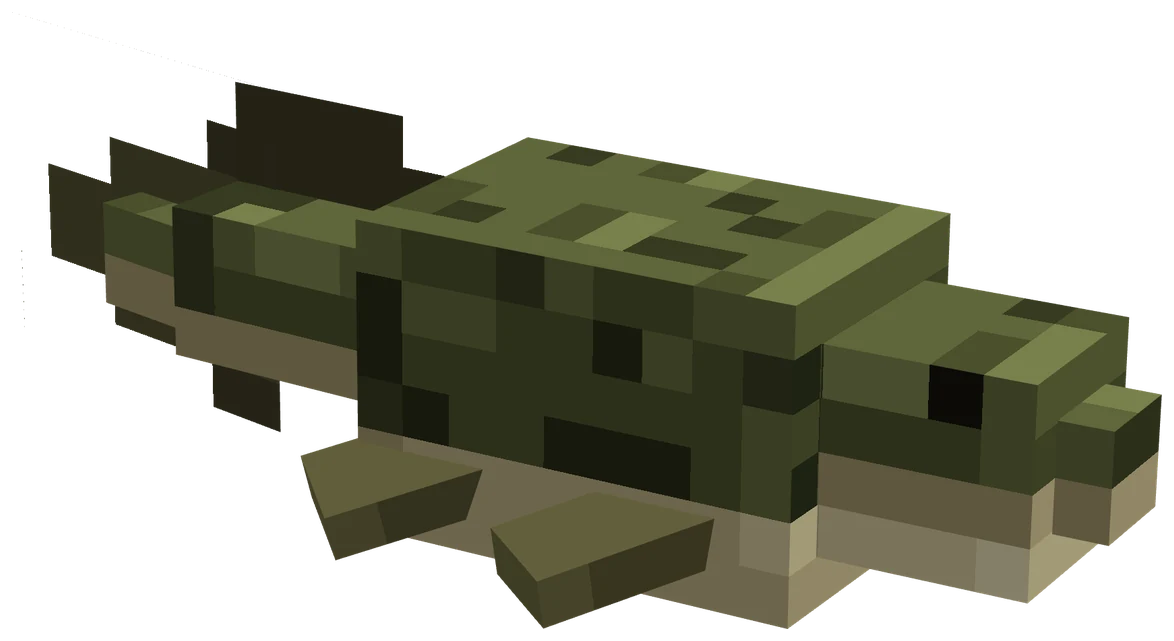
Ceratodus was a lungfish, a lobe-finned fish that could breathe air with a lung as well as with gills. Lungfish are some of the closest living relatives of the four-limbed animals.
Instead of separate teeth it had fan-shaped, ridged tooth plates for crushing food. These hard plates fossilise well, and they are the most common fish fossil in the river and pond deposits of the Morrison Formation.
Being able to gulp air let lungfish survive in warm, shallow, low-oxygen water that would suffocate other fish.
Ceratodus facts
- The living Queensland lungfish was first named Ceratodus forsteri in 1870 because its teeth matched these fossils. It is now called Neoceratodus.
- The genus is known from the Triassic to the Cretaceous across many continents.
- Some Morrison species have been moved to a new genus, Potamoceratodus, as research continues.
- Lungfish have barely changed their basic body plan in hundreds of millions of years.
Discovery
Louis Agassiz named Ceratodus in 1838 from fossil tooth plates. Ceratodus guentheri from the Morrison Formation was named by O. C. Marsh in 1878.