DinoFrontier
About Hesperornithoides
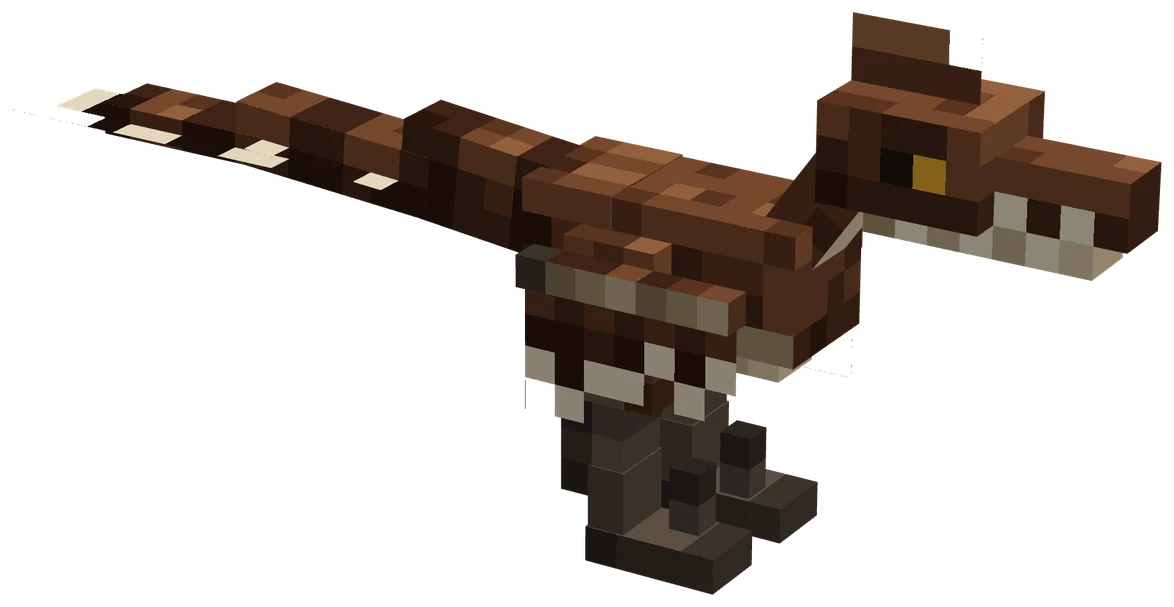
Hesperornithoides, nicknamed "Lori", was a small, feathered predator from the Late Jurassic Morrison Formation. At under a metre long it was one of the smallest dinosaurs in its ecosystem.
It belonged to the paravians, the group that includes birds and their closest dinosaur relatives such as Velociraptor and Troodon. Its long legs and short arms suggest it was a ground-dwelling hunter rather than a flyer.
Lori lived in a wetland environment and probably hunted insects, small lizards and mammals among the ferns and horsetails.
Hesperornithoides facts
- It is one of the most complete small theropods from the Morrison Formation.
- Its 2019 description showed that paravian dinosaurs were already diverse and widespread in the Late Jurassic, before Archaeopteryx-like birds became common.
- The analysis also found that flight likely evolved once in birds, not separately in several paravian groups.
- The species name honours the Miessler family, who supported the research.
Discovery
The skeleton was found in 2001 on private land in Converse County, Wyoming. It was prepared and studied over many years before Scott Hartman and colleagues named it in 2019.