DinoFrontier
About Megateuthis
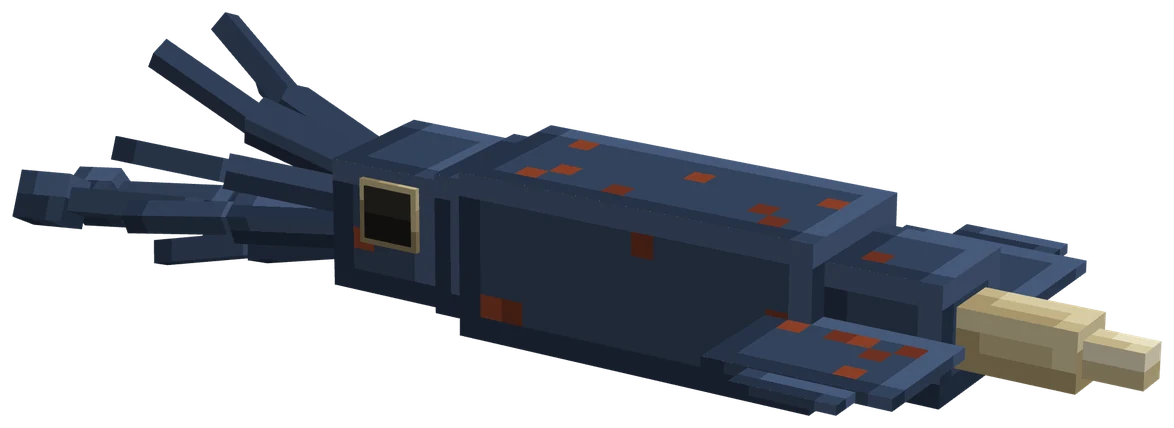
Megateuthis was a belemnite, an extinct relative of squid and cuttlefish, and the largest belemnite known. It lived in the Middle Jurassic seas of Europe and elsewhere.
Belemnites had a squid-like body with ten arms lined with small hooks instead of suckers, an ink sac and a hard internal shell. The bullet-shaped back part of that shell, called the guard or rostrum, is what usually fossilises.
Megateuthis guards can be over 40 cm long, which suggests the whole living animal was around 2.5 to 3 metres long.
Megateuthis facts
- Belemnite guards are so common in Jurassic rocks that people once called them "thunderbolts", believing they fell from the sky in storms.
- Fossilised belemnite ink has been found preserved well enough to draw with.
- Belemnites were an important food source for ichthyosaurs, sharks and other marine reptiles.
- Belemnites died out at the end of the Cretaceous along with the non-avian dinosaurs.
Discovery
American palaeontologist Alpheus Hyatt named the genus Megateuthis in 1884. Its giant guards are found in Middle Jurassic rocks across Europe.