DinoFrontier
About Mosasaurus
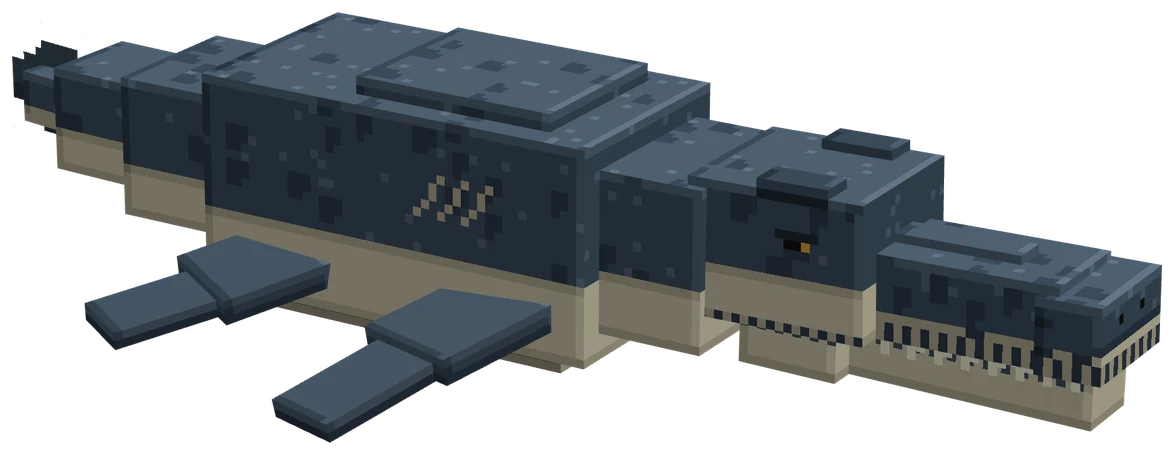
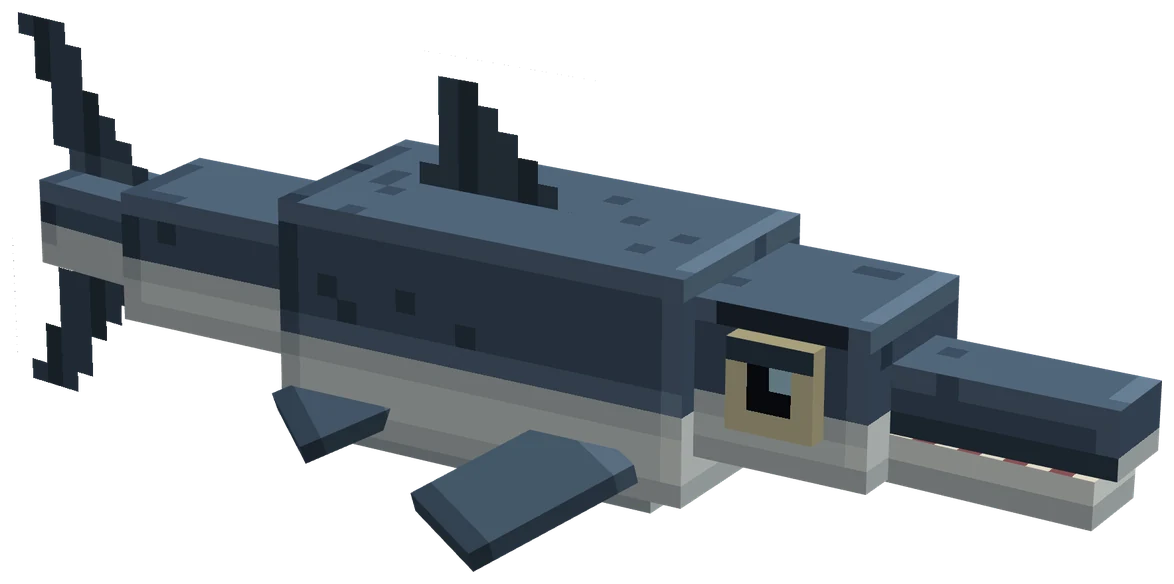
Mosasaurus was not a dinosaur. It was a mosasaur, a group of giant marine lizards related to today's monitor lizards and snakes, that took over the world's oceans in the Late Cretaceous after the ichthyosaurs disappeared.
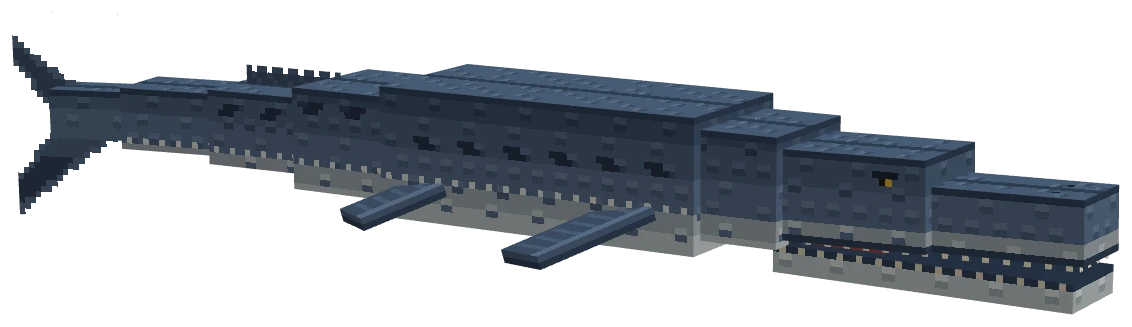
Mosasaurus hoffmannii was one of the largest, with estimates ranging from about 12 metres up to 17 metres long. Its long body ended in a shark-like tail fluke, while four paddle-like flippers steered. The jaws were lined with large conical teeth, and a second row of teeth on the roof of its mouth helped hold slippery prey.
It was a top predator of the seas, eating fish, sharks, turtles, ammonites and smaller mosasaurs. Mosasaurs gave birth to live young at sea instead of laying eggs on land.
Mosasaurus facts
- Its name comes from the Meuse river near Maastricht in the Netherlands, where the first famous skull was quarried in the 1700s.
- That skull was seized by French troops in 1794 and taken to Paris, where it helped Georges Cuvier argue that animals could go extinct, a radical idea at the time.
- Like snakes, mosasaurs had flexible jaws and could swallow large prey nearly whole.
- Mosasaurs lasted right up to the end of the Cretaceous and were wiped out in the same mass extinction as the non-avian dinosaurs.
Discovery
Fossils were found in chalk mines near Maastricht from the 1760s onwards. William Conybeare coined the genus name Mosasaurus in 1822, and Gideon Mantell named the species M. hoffmannii in 1829 after a local fossil collector.