DinoFrontier
About Liopleurodon
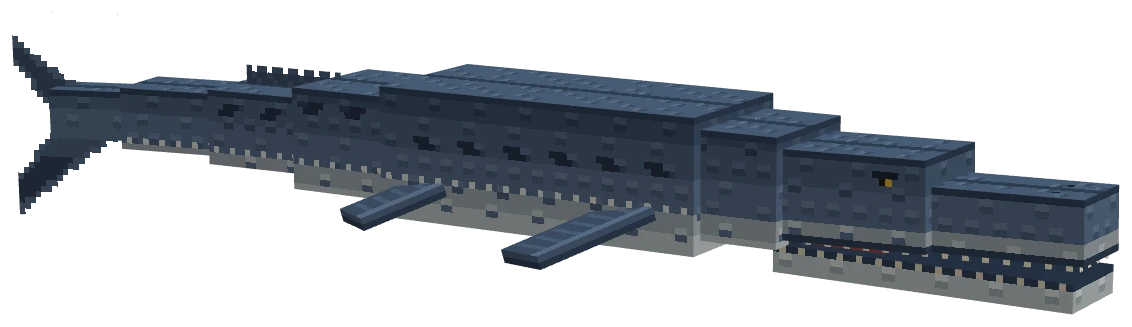
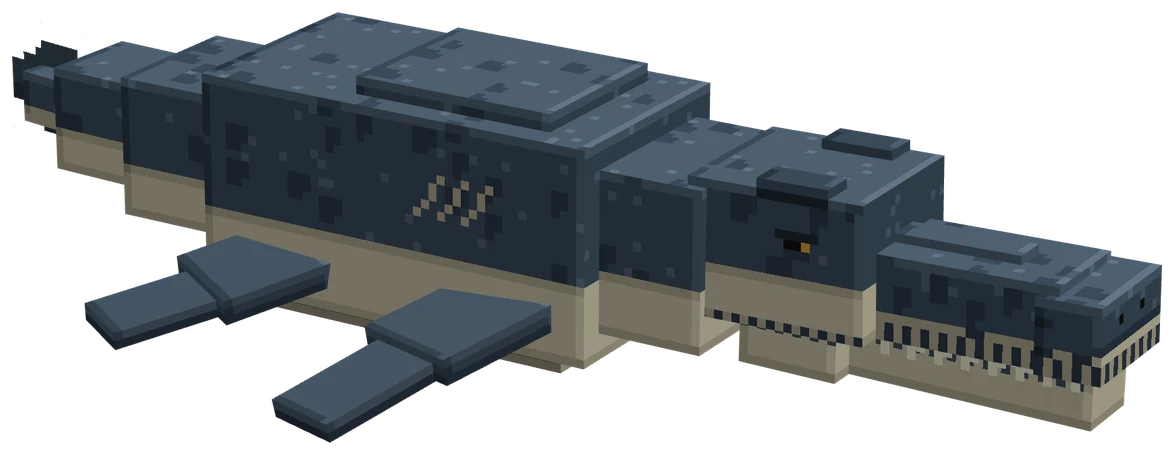
Liopleurodon was a pliosaur, a short-necked plesiosaur with a large head and powerful jaws. It swam the shallow seas that covered much of Europe in the Middle and Late Jurassic.
It propelled itself with four big, paddle-shaped flippers, a swimming style unlike any living animal. Its long skull, about a fifth of its body length, was packed with large, conical teeth for catching fish, cephalopods and other marine reptiles.
Its nostrils may have let water flow through, allowing it to smell prey underwater and track it by direction.
Liopleurodon facts
- The 1999 documentary Walking with Dinosaurs showed Liopleurodon as 25 m long. Real fossils point to about 6–7 m.
- It was not a dinosaur. Plesiosaurs and pliosaurs were a separate group of marine reptiles.
- Its name refers to its teeth, which have smooth sides, unlike the ridged teeth of some relatives.
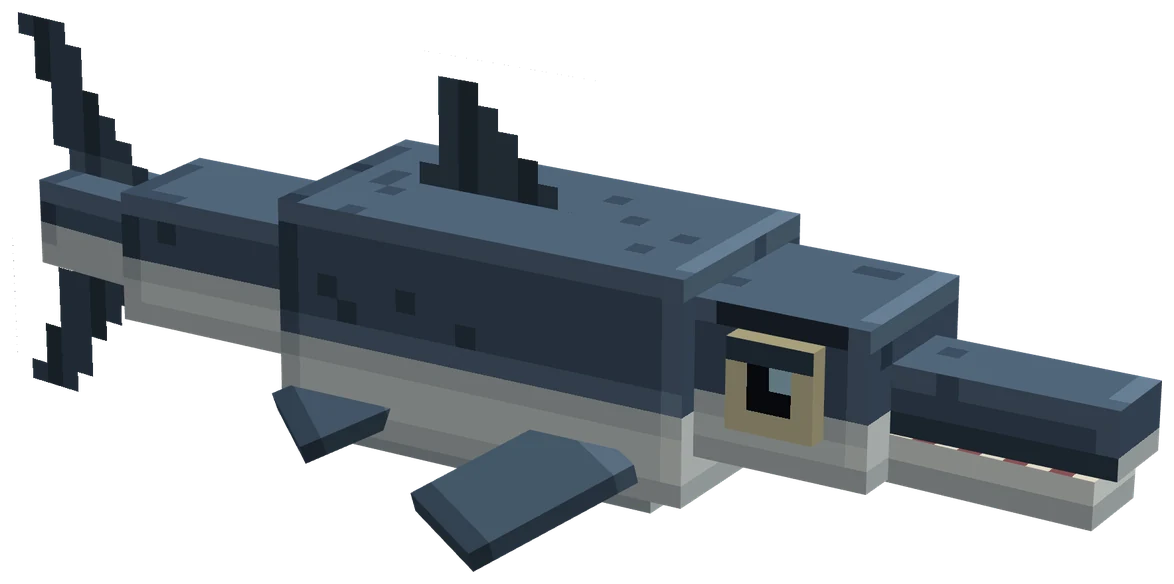
- It shared the Oxford Clay seas with Ophthalmosaurus and probably hunted it.
Discovery
French palaeontologist Henri Émile Sauvage named Liopleurodon in 1873 from a single tooth found in France. Much more complete material has since come from the Oxford Clay brick pits near Peterborough, England.