DinoFrontier
About Dryosaurus
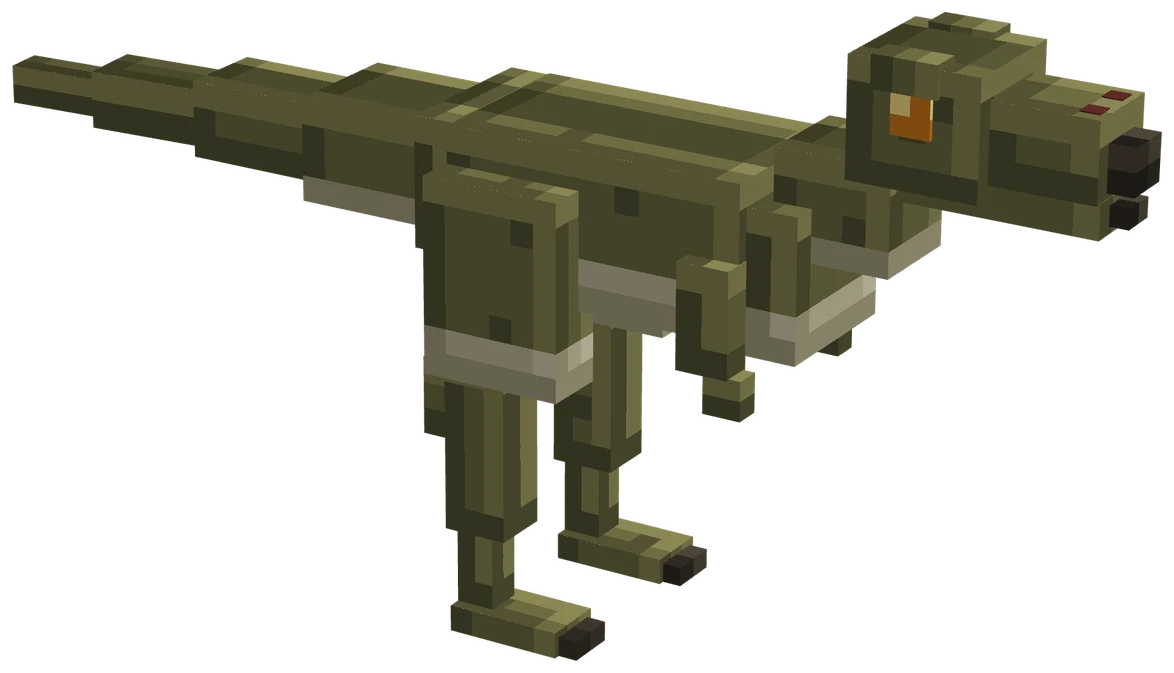
Dryosaurus was a mid-sized, two-legged plant-eater of the Late Jurassic Morrison Formation. It had a short skull with large eyes, a horny beak at the front of the jaws and leaf-shaped cheek teeth for chewing plants.
Its long, powerful hind legs and stiffened tail made it a fast runner. With no armour or horns, speed was its main defence against predators like Allosaurus and Ceratosaurus.
Many juvenile and baby Dryosaurus fossils are known, including from Dinosaur National Monument, so palaeontologists have been able to track how it grew from hatchling to adult.
Dryosaurus facts
- Its name comes from the Greek drys, meaning tree or oak, possibly a reference to the shape of its teeth.
- Juvenile specimens show it grew quickly and had a relatively short snout and large eyes when young.
- It is an early relative of later ornithopods like Iguanodon and the duck-billed hadrosaurs.
- A related species from Tanzania, once called Dryosaurus lettowvorbecki, is now placed in its own genus, Dysalotosaurus.
Discovery
O. C. Marsh described the first remains from Como Bluff, Wyoming, as Laosaurus altus in 1878, then moved them to the new genus Dryosaurus in 1894.